Llama Retro Vintage Style: An Embroidery Review
First Impressions: Nostalgia Meets Stitch Logic
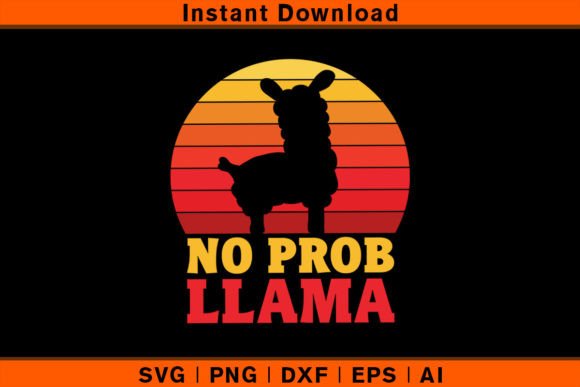
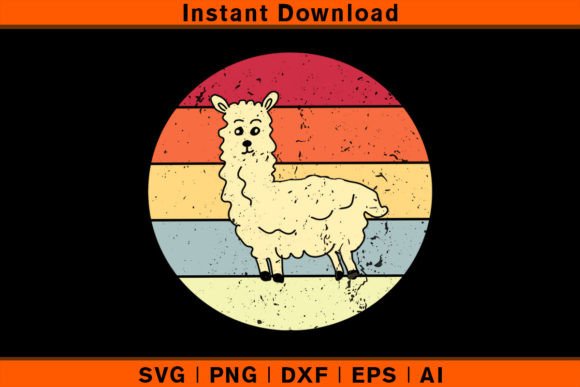
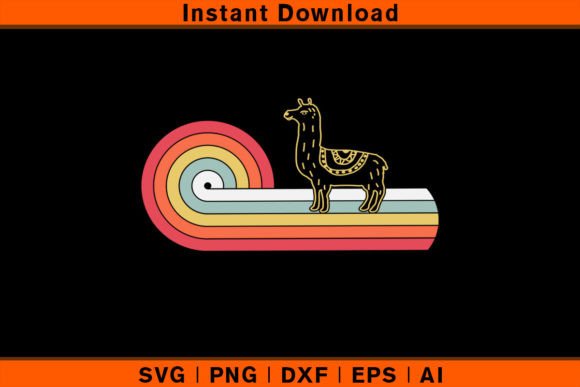
When I first opened the Llama Retro Vintage Style files, my immediate reaction was not just about the aesthetic appeal, but about how this graphic would translate from screen to fabric. As an experienced designer who reviews assets for real-world production, I look past the cute factor and focus on structural integrity. This design captures a specific mood—a warm, 70s-inspired nostalgia with clean lines that suggest it was created with intention. The retro color palette is distinct, avoiding the neon brightness that often plagues modern digital graphics, which makes it significantly easier to match with standard embroidery thread colors.
For those of us in the craft business or running an Etsy shop, the visual personality here is strong. It feels like a premium t-shirt design rather than a generic clip-art find. However, because these are originally SVG and PNG cutting files, my primary concern during this review was evaluating their suitability as a machine embroidery design. The vector nature of the artwork is actually a massive advantage; the lines are crisp and scalable, meaning if you decide to digitize this for embroidery, you will have clean edges to trace. The layout is balanced, with the llama centered in a way that suggests stability, which is crucial when hooping fabric.
Real-World Application: The Cream Sweatshirt Test
To truly evaluate this asset, I mentally placed it into a current project scenario: creating a line of unisex cream-colored crewneck sweatshirts for a fall boutique collection. In this context, the Llama Retro Vintage Style shines as a centerpiece graphic. When working on sweatshirt embroidery, the fabric texture is everything. Fleece and French terry can swallow fine details, but the bold, retro shapes in this design are substantial enough to hold their own against the pile of the fabric.
I envision this design performing exceptionally well as a hybrid mixed-media piece. Since the files are print-ready for cutting machines like Cricut or Silhouette, a smart Etsy seller could use heat transfer vinyl for the intricate vintage typography or background elements while using embroidery for the main llama figure. This approach reduces stitch density on the garment, keeping the sweatshirt soft and wearable while adding the high-value tactile feel of thread. If you choose to fully embroider the design, the retro style lends itself beautifully to textured fills rather than flat satin stitches, giving the finished product a professional, store-bought quality that customers trust.
Navigating Fabric Challenges and Hoop Limitations
While the design is versatile, practical judgment requires acknowledging where it might struggle. The retro aesthetic often involves layered elements or distressed textures. If you are converting this graphic into a digital embroidery file, you must be cautious with small hoop sizes. Reducing this design below 4x4 inches risks losing the charm of the vintage detailing; the facial expression of the llama and any accompanying floral or geometric accents need room to breathe.
Fabric choice also dictates success. On thin, stretchy jersey knits commonly used for baby clothes, a dense version of this design could cause puckering or distortion. For baby embroidery projects, I would recommend simplifying the design to outline or running stitch work to maintain the garment's drape. Conversely, if you are planning a tote bag design on canvas, you have more freedom. Canvas provides a stable base that supports higher stitch counts and heavier saturation without warping. Always consider the end-use; a decorative pillow cover can handle density that a summer t-shirt simply cannot.
Commercial Viability and Brand Consistency
For creative entrepreneurs and small shop product developers, consistency is key to building brand recognition. The Llama Retro Vintage Style offers a cohesive look that can anchor a seasonal collection. Whether applied to aprons, tea towels, or nursery decor, the vintage theme bridges the gap between trendy and timeless. This longevity is vital for ROI; unlike flash-in-the-pan meme designs, retro aesthetics tend to sell year-round, particularly during holiday seasons when buyers seek nostalgic personalized gifts.
From a production standpoint, having access to both SVG and PNG formats streamlines workflow. You can use the PNG for printable mockups to test market interest on social media before committing to digitizing or stitching. This allows you to validate the design’s commercial potential with zero material waste. Furthermore, the clean vector lines make it easier to create matching merchandise, such as stickers or tags, ensuring your handmade product line looks professionally curated rather than disjointed.
Technical Notes for Makers and Digitizers
Before you load this design into your machine or send it to a digitizer, there are several technical checkpoints to verify. Because this product is marketed primarily as cutting and print files, you must confirm whether a pre-digitized embroidery file is included or if you are purchasing the raw art for custom digitizing. Never assume compatibility. If you are digitizing this yourself based on the provided vectors, pay close attention to the following:
- Stitch Density and Underlay: Retro designs often imply texture. Ensure your underlay is sufficient to prevent the fabric grain from showing through fill stitches, especially on darker fabrics where contrast is high.
- Thread Color Matching: Vintage palettes can be tricky. Test your thread colors against the digital proof in natural lighting. What looks like mustard yellow on screen might stitch out as neon gold. Physical thread charts are essential here.
- Stabilizer Selection: Match your stabilizer to the fabric weight, not just the design size. For this retro llama on apparel, a cut-away stabilizer usually offers better long-term wash durability than tear-away.
- Detail Inspection: Zoom in at 100% to check for tiny gaps or overlapping areas in the vector file that might translate to jump stitches or registration errors in embroidery.
- Licensing Verification: Crucially, review the license terms regarding commercial embroidery. Confirm whether you can sell finished physical products, digital files, or both. Protecting your business starts with respecting intellectual property rights.
Final Verdict on Production Value
The Llama Retro Vintage Style is a robust asset for makers who understand the translation process from digital art to stitched reality. Its strength lies in its balanced composition and trend-resistant aesthetic, making it suitable for everything from custom apparel to boutique branding. However, its success depends entirely on the user's willingness to adapt the file for textile application. It is not a "one-click" solution for embroidery, but rather a high-quality foundation for design assets that, when treated with technical respect, yields professional results.
For the apparel decorator or hobbyist looking to expand their catalog, this design offers excellent versatility. Just remember to test stitch on scrap fabric first, particularly if experimenting with new fabric textures or scaling the design for different hoop sizes. By approaching this graphic with a maker’s mindset rather than just a consumer’s eye, you transform a simple download into a valuable, sellable product that resonates with customers seeking authentic, handmade quality.