Retro Vintage Llama Graphics for T-Shirt Designs
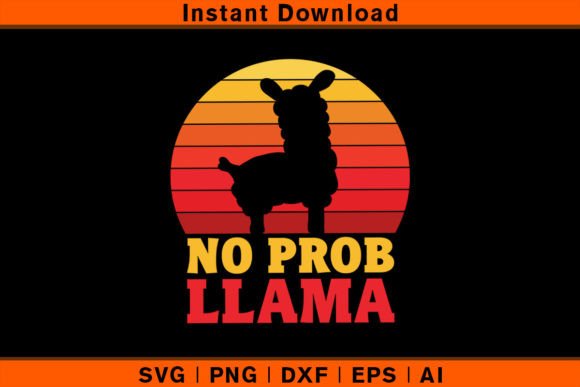
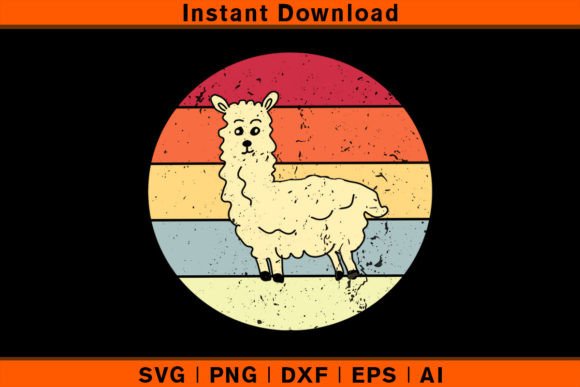
When sourcing assets for a new seasonal collection on Etsy or Creative Fabrica, the first impression determines whether a file gets added to the cart or scrolled past. Evaluating the Retro Vintage Llama asset requires looking beyond its immediate charm to assess its commercial viability across multiple product lines. This graphic design asset carries a distinct nostalgic mood that bridges the gap between rustic farmhouse aesthetics and playful bohemian trends. For digital product creators, this specific visual personality is valuable because it targets a crossover audience: buyers who appreciate vintage Americana but still want something lighthearted and approachable. The illustration feels handmade yet polished enough for professional merchandise, making it a strong candidate for shops focusing on cottagecore, western wear, or eclectic nursery decor.
Commercial Viability Across Product Categories
In a real shop scenario, I never rely on a single asset for just one end-use. The strength of this Retro Vintage Llama lies in its versatility as both a standalone focal point and a supporting element in larger compositions. As a t-shirt design, the vintage texture provides built-in depth, reducing the need for additional distressing effects during production. This is crucial for print-on-demand sellers where every extra processing step eats into margins. The aesthetic works exceptionally well on heather gray, cream, and terracotta apparel, aligning with current color trends in the handmade business sector.
Beyond apparel, this asset serves as a high-value component for sublimation design projects. When testing this graphic for 20oz skinny tumblers, the retro styling allows for seamless integration with checkered backgrounds, wildflower borders, or typographic elements. For Cricut users and crafters, the availability of Retro Vintage Llama SVG PNG cutting print ready files ensures that the design can be adapted instantly for vinyl decals or iron-on transfers without losing integrity. The files are available immediately for download after purchase, which supports rapid prototyping when preparing for holiday rushes or market launches.
For those selling digital downloads rather than physical goods, this illustration functions effectively as clipart within Canva template bundles. Social media graphics and blog headers often require thematic anchors, and this llama provides instant visual storytelling for content creators in the parenting, pet, or lifestyle niches. It also translates well to printable wall art and planner stickers, provided the resolution is sufficient for smaller formats. The key here is recognizing that while the primary category may be t-shirt designs, the secondary revenue streams from digital stationery and branding kits often yield higher profit margins due to zero fulfillment costs.
Optimizing Listing Presentation and Visual Hierarchy
A common mistake among new Etsy sellers is using raw design files as listing images. To maximize click-through potential, this Retro Vintage Llama must be presented through strategic mockup previews. The vintage nature of the graphic demands context; placing it on a crisp white background often makes it look flat or dated in an unappealing way. Instead, test the design on textured paper mockups, wooden signage, or fabric folds to enhance its perceived value. Visual hierarchy matters significantly in creative marketplace listings. If you are bundling this with other farm animal illustrations, ensure the llama acts as the hero image while supporting graphics remain subordinate in size and saturation.
Brand consistency is another factor where this asset shines. If your shop focuses on small business branding or packaging design, the retro style offers a cohesive thread that ties together disparate products. Using this illustration across social media promos, thank-you cards, and product tags creates a recognizable brand identity that builds customer trust. Buyers are more likely to purchase a design bundle if they can visualize how the individual pieces work together in a unified collection. Therefore, when creating thumbnails, show the Retro Vintage Llama in action alongside complementary fonts and colors to demonstrate its utility as part of a broader system.
Technical Considerations and Usage Limitations
While the aesthetic appeal is high, practical application requires careful technical evaluation. Not every vintage graphic performs well at every scale. Where this asset works best includes large-format prints, adult apparel, tote bags, and decorative layouts where the intricate details of the retro shading remain visible. However, sellers should use caution when applying this design to tiny sticker details or complex layered vinyl projects. Intricate vintage textures can sometimes result in weeding nightmares for Cricut project enthusiasts if the cut lines are not optimized. Always inspect the SVG nodes before listing a product intended for cutting machines; simplified versions may be necessary for crafters working with adhesive vinyl.
Contrast is another critical checkpoint. Retro palettes often utilize muted tones that may disappear against dark backgrounds unless properly outlined or backed with white ink. Before finalizing any mug design or dark garment listing, test print the PNG design to verify color accuracy and transparency. Low-resolution print products will expose pixelation in vintage textures faster than clean vector art, so confirming file resolution is non-negotiable. Additionally, avoid overcrowding thumbnails with this detailed illustration; let the Retro Vintage Llama breathe to maintain clarity in mobile search results.
Seller Checklist for Professional Implementation
To transition from evaluation to publication, follow this practical workflow to ensure the asset meets commercial standards:
- Mockup Testing: Create at least three distinct product mockups (apparel, hard good, digital) to validate market fit before listing.
- Typography Pairing: Test the graphic against serif, sans serif, script, and display fonts. Retro llamas typically pair best with bold slab serifs or flowing hand-lettering to balance the visual weight.
- File Organization: Ensure customers receive clearly labeled folders separating SVG, PNG, and DXF files. Ambiguous naming conventions lead to support tickets.
- Licensing Verification: Double-check the commercial license terms specifically regarding print-on-demand platforms versus digital resale. Understanding these boundaries protects your shop from IP disputes.
- Color Profiling: Verify that the RGB-to-CMYK conversion does not muddy the vintage colors, especially for direct-to-garment printing services.
- Cut Path Inspection: Open the SVG in design software to confirm there are no stray nodes or open paths that could cause cutting errors for Silhouette and Cricut users.
Ultimately, the Retro Vintage Llama represents a solid investment for sellers targeting the intersection of nostalgia and modern crafting. Its success depends less on the novelty of the subject matter and more on how strategically it is integrated into a cohesive product ecosystem. By treating this graphic design asset as a flexible tool rather than a static image, digital entrepreneurs can extract maximum value across physical merchandise, digital templates, and brand collateral. Whether used as a standalone t-shirt design or part of a comprehensive seasonal bundle, its commercial potential is realized through rigorous testing, thoughtful presentation, and adherence to technical best practices. This disciplined approach transforms a simple cute illustration into a reliable revenue generator for serious online shops.