Daddy Llama Graphics for T-Shirt Designs and Branding
Evaluating Character and Mood for Local Business Identity
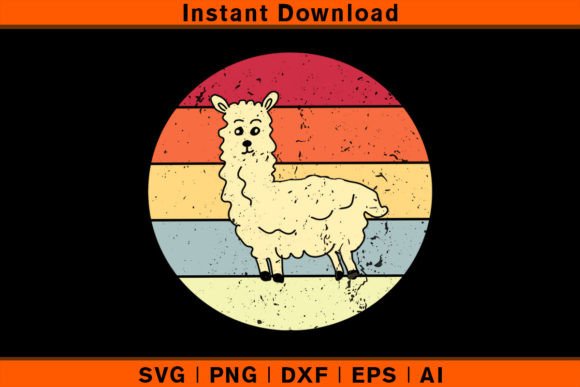
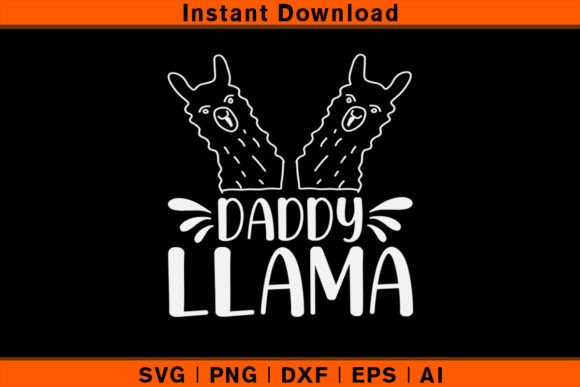
As a brand designer working with local artisans and boutique owners, my first assessment of any graphic design asset is always emotional resonance. When reviewing the Daddy Llama illustration, the immediate impression is one of approachable warmth and playful reliability. Unlike generic clipart that often feels sterile or overly corporate, this design carries a distinct handmade personality that suggests authenticity. For a small business branding project, specifically within the children’s apparel, pet supply, or family-oriented gift sectors, this mood is invaluable. It strikes a balance between whimsical and professional, avoiding the chaotic energy of amateur art while steering clear of cold minimalism.
The visual weight of the Daddy Llama character implies a narrative. It isn't just a decoration; it acts as a secondary mascot or brand anchor. In my experience designing for local coffee shops and handmade soap businesses, assets with this level of character work best when the brand voice is friendly, community-focused, and slightly nostalgic. If you are building a brand identity for a business that relies on trust and personal connection—such as a daycare, a family bakery, or an organic cotton clothing line—this graphic supports that narrative instantly. However, for high-end luxury skincare or strict corporate consulting firms, the inherent playfulness might clash with the desired premium aesthetic. Understanding this distinction is crucial before integrating it into your commercial design workflow.
Practical Applications in Packaging and Promotional Collateral
Beyond the initial mood, the true test of any digital product is its versatility across physical touchpoints. I recently evaluated similar assets for a children’s boutique rebrand, and the Daddy Llama file set proves exceptionally useful for tangible applications. Because these are Daddy Llama SVG PNG Cutting Print Ready Files, that allow to print instantly with any cutting machine such as cricut or silhouette, they bridge the gap between digital planning and physical production seamlessly. The files are available immediately for download after purchase, which is essential for designers working on tight deadlines for seasonal launches or market pop-ups.
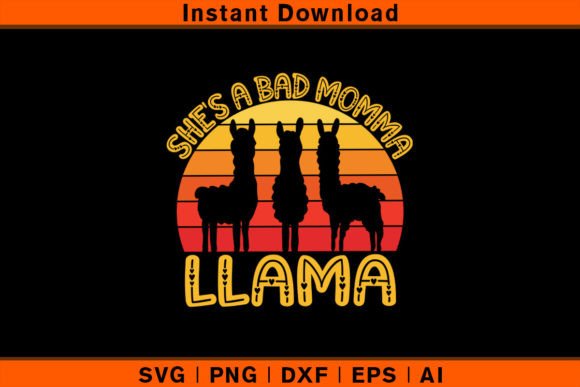
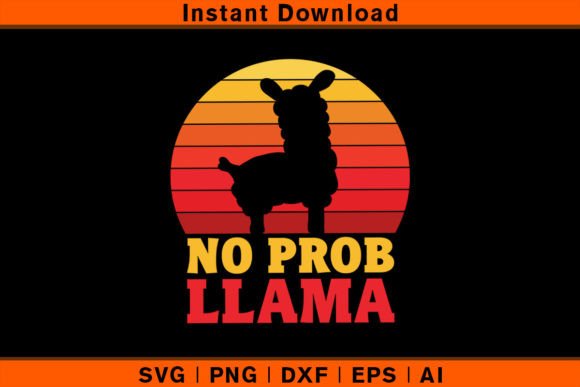
For packaging design, this asset shines as a recurring motif rather than a singular focal point. Consider using it on custom hang tags for clothing, where the SVG format allows for precise vinyl cutting or paper crafting. On product label designs for jars or boxes, the PNG version with transparency can serve as a watermark or a corner accent that adds texture without obscuring mandatory ingredient lists or pricing. In T-Shirt Designs, the bold lines ensure readability from a distance, making it ideal for staff uniforms at a family-friendly cafe or merchandise for a local pet grooming service. Furthermore, the graphic translates beautifully to thank-you cards and sticker sheets, turning a simple transaction into a memorable unboxing experience that encourages social sharing.
Enhancing Visual Hierarchy and Customer Trust
A common pitfall in local business marketing is inconsistent visual language. Using a cohesive asset like Daddy Llama helps establish a stronger visual hierarchy across disparate materials. When customers see the same friendly character on your Instagram posts, your market stall banner, and your shopping bag, it creates a unified brand ecosystem. This consistency builds subconscious trust; the business appears established and intentional rather than makeshift. For social media graphics, the illustration provides a ready-made focal point that stops the scroll, especially when paired with user-generated content or product photography. It humanizes the feed, reminding followers that there are real people behind the brand.
In terms of shelf appeal, this graphic adds necessary softness to retail environments that can often feel cluttered. When used on signage or price lists, it breaks up dense text, guiding the eye and making information more digestible. For handmade business owners who sell at craft fairs, having a recognizable character on display props and tablecloths can increase booth dwell time. It acts as a visual invitation, signaling to passersby that the products inside are crafted with care and joy. This emotional connection is often the deciding factor in converting a browser into a buyer in competitive local markets.
Strategic Placement and Design Constraints
While versatile, no illustration is universally appropriate. Through years of professional branding, I have learned to identify where decorative elements support the message and where they distract. The Daddy Llama graphic works best as a hero image on web banners, a decorative border on certificates, or a central element on tote bags. It thrives in spaces dedicated to storytelling and engagement. However, caution is required in high-information zones. Avoid placing this detailed graphic directly adjacent to small legal text, barcode areas, or complex nutritional panels. The intricacy of the design can reduce legibility and create visual noise that frustrates rather than delights.
Additionally, consider the background contrast carefully. While the PNG design offers transparency, placing it on a busy patterned background or a low-contrast color field can cause the details to vanish. In editorial design or printed flyers, ensure there is ample negative space around the character to let it breathe. For brands aiming for ultra-modern or stark minimalist aesthetics, this asset may feel too ornate unless used very sparingly as an ironic or seasonal accent. Always ask if the graphic reinforces the core value proposition or merely fills empty space. In product mockup testing, I often find that scaling the asset down by 20% yields better results than maximizing its size, preserving elegance over dominance.
Technical Validation and Licensing for Commercial Use
Before committing any design assets to a client project or your own business inventory, rigorous technical validation is non-negotiable. As a designer, I always recommend testing the SVG file in your specific cutting software first. Verify that the nodes are clean and that the layers are organized logically; this saves hours of troubleshooting during production runs. Check the PNG resolution at actual print size to ensure edges remain crisp on fabric or paper. Test the graphic in monochrome to confirm it holds up without color dependency, as single-color printing is often more cost-effective for small business branding budgets. Pair the asset with various typography styles—serif for tradition, sans-serif for modernity, script for softness—to validate its typographic compatibility.
Most critically, verify the commercial license terms before use. Just because a file is downloadable does not automatically grant unlimited commercial rights for resale or mass production. Ensure the licensing covers your intended use case, whether that is physical product sales, digital templates, or advertising. Respecting intellectual property protects your business from legal risk and supports the creative ecosystem. When sourcing from a creative marketplace, keep records of your purchase and license agreement. Finally, compare the asset against competitor packaging in your niche. If three other local businesses are using the same popular clipart, consider how you can customize the color palette or composition to maintain distinctiveness. A modern design strategy leverages accessible assets like Daddy Llama but elevates them through unique application, ensuring your brand remains recognizable and ownable in a crowded marketplace.