Masala Chai Graphics: Dark Pattern Review
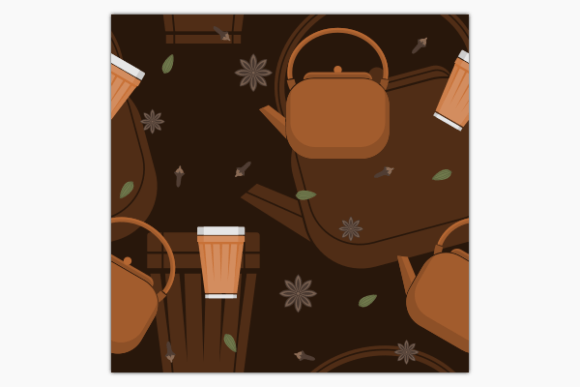
When evaluating new design assets for a seasonal shop update, I look for versatility and immediate visual impact. My first impression of the Masala Chai with Kettle Dark Pattern was that it successfully captures a specific cultural aesthetic without feeling generic. The mood is undeniably warm and inviting, leveraging a deep, dark background to make the illustrated elements pop. This creates a premium, slightly rustic feel that differs significantly from the typical pastel or white-background tea illustrations often found in creative marketplaces. For sellers targeting niche audiences interested in global cuisine, cozy autumn vibes, or authentic Indian tea culture, this graphic design asset offers a distinct visual personality. It feels handmade yet polished enough for commercial design applications, striking a balance between traditional illustration and modern digital usability.
Testing the Asset Across Digital Product Categories
Before listing any new asset in my shop, I run it through a practical testing phase to determine its true commercial viability. With this editable vector featuring a side-view kettle, glass mug, and assorted spices, I approached it as a foundational element for multiple product lines rather than a standalone image. The seamless nature of the pattern makes it an excellent candidate for print-on-demand merchandise. During my test run, I applied the pattern to tumbler wraps and tote bag mockups. The dark background proved advantageous here, as it hides wear better than light backgrounds and provides high contrast for the spice illustrations. However, for t-shirt design, I had to be selective. While the pattern works beautifully as a pocket print or sleeve detail, using it as a full-front print on dark garments required careful color management to ensure the chai and kettle details remained visible against black fabric.
For the digital download segment of my business, this asset shines in Canva template creation. I tested it as a background for social media graphics and blog headers. The rich texture adds depth to flat designs, making text overlays stand out effectively. When creating digital paper packs, the seamless tiling was flawless, allowing me to offer 12x12 inch scrapbooking papers without visible repetition lines. This is a critical quality check for any Etsy product in the paper category. I also explored its potential for sticker design. While the intricate spice details are beautiful, they can get lost at small sizes. I found that extracting individual elements—the kettle or the glass mug—worked better for planner stickers than using the full dense pattern.
Evaluating Technical Quality for Cricut and Sublimation
As a creator who sells both finished goods and raw files, technical integrity is non-negotiable. The description highlights this as an editable SVG vector, which is a major selling point for Cricut project enthusiasts and fellow designers. In my evaluation, I opened the file in Illustrator and Inkscape to inspect the node structure. Clean vectors are essential; messy nodes result in jagged cuts and frustrated customers. This asset held up well, with smooth curves on the kettle and distinct layers for the spices. This editability allows users to recolor the chai to match their specific brand identity or separate elements for layered vinyl projects.
For sublimation design, resolution and color fidelity are paramount. Although vectors are scalable, the complexity of the spice textures requires verification. I printed a test swatch to ensure the dark background printed as a rich, deep tone rather than a muddy brown. The colors remained vibrant, confirming its suitability for mugs and metal prints. Sellers offering PNG design files should ensure they export these at 300 DPI with transparent backgrounds where applicable. If you plan to sell this as part of a clipart bundle, isolate the kettle and mug on a transparent background separately from the seamless pattern. This increases the perceived value of your design bundle by giving buyers more flexible usage options.
Strategic Merchandising and Listing Presentation
A great asset can fail if presented poorly. The Masala Chai with Kettle Dark Pattern has strong thumbnail appeal because of its high contrast. In a crowded creative marketplace feed, dark thumbnails often stop the scroll more effectively than white ones. When designing my listing images, I used the pattern itself as the backdrop for product mockups, creating immediate brand consistency. This visual storytelling tells the buyer exactly what the vibe is before they even read the title. For packaging design previews, showing the pattern wrapped around a coffee bag or tea box helps customers visualize the end result, which is crucial for B2B buyers looking for small business branding solutions.
I also recommend pairing this asset with complementary typography in your previews. A bold serif font enhances the traditional, premium feel, while a clean sans-serif can modernize it for contemporary cafes. Avoid overly ornate script fonts that might compete with the detailed spice illustrations. Visual hierarchy is key; let the pattern breathe. When marketing this on Pinterest or Instagram, use the pattern in video transitions or as a static background for Reels about "Cozy Tea Season" or "Diwali Decor Ideas." This contextualizes the illustration beyond just being a digital file, positioning it as a lifestyle enhancer.
Risk Assessment and Practical Seller Notes
Despite its strengths, there are areas where caution is necessary. The primary risk with dark patterns is printing on light substrates without adequate ink coverage. If a customer uses this for home decor on uncoated paper, the dark background may appear washed out. Always include a disclaimer or printing tip in your product description regarding paper type and printer settings. Additionally, while the pattern is seamless, verify the repeat tile size. Some older cutting machines struggle with massive artboards; providing a smaller, manageable tile size alongside the full repeat can prevent customer support headaches.
Another consideration is licensing. Before incorporating this into your shop, double-check the commercial license terms. Can you use it for physical products? Is there a limit on units sold? Can it be used in templates for resale? Clarifying this protects your business. Also, consider accessibility. Dark backgrounds can sometimes reduce readability for text-heavy templates. If you create invitation templates or menu designs using this pattern, ensure there is sufficient negative space or a semi-transparent overlay behind the text area. Testing legibility on mobile screens is just as important as testing print quality.
- Mockup Testing: Always preview on both dark and light merchandise to gauge contrast issues.
- File Organization: Separate the seamless pattern from individual clipart elements for maximum user flexibility.
- Color Profiles: Convert RGB vectors to CMYK for print-ready listings to avoid color shifting.
- Niche Targeting: Tag specifically for "Indian Tea," "Chai Latte," "Spice Market," and "Cafe Branding" to reach the right buyers.
- Bundle Potential: Pair with matching light-mode versions or solid color coordinates to increase average order value.
Ultimately, the Masala Chai with Kettle Dark Pattern is a robust asset for sellers willing to leverage its specific aesthetic. It moves beyond generic clipart into the realm of atmospheric, culturally resonant design. By focusing on its strengths in sublimation, digital backgrounds, and niche branding, and by mitigating risks through thorough testing and clear customer guidance, this graphic can become a reliable performer in a diverse digital product portfolio. Whether you are building a cohesive brand identity for a tea shop or expanding your seasonal printable design catalog, this asset offers the professional quality and stylistic depth required to convert browsers into buyers.